Coursera Rebrand: Global Learner Photoshoots
Photo guidelines for a global brand, and the real learners who brought them to life
Art Direction
Visual storytelling

The short version
I wrote Coursera's photography guidelines, then art-directed shoots of real learners in nine countries, in time for the rebrand.
We couldn't travel, so we directed every shoot remotely, with local photographers and stylists, in about ten weeks during COVID.
The photos became evergreen brand assets, used on the website and in social, in Coursera's IPO materials and in the brand launch video.
The challenge
A North American view of a global community
Coursera was launching a new brand with a clear photography style, but our imagery still came from stock photography.
That meant we were mostly showing a North American view of learning, living, and working, when about 70% of our learners are outside the US.
We needed two things: rules for what Coursera photography should look like, so anyone choosing, shooting, or supplying images could get it right, and a library of real Coursera learners around the world that followed those rules.

THE GUIDELINES
Rules for every photo, from any source
Learners are at the center of everything Coursera does, so our photography makes the learner the hero, shows the impact of learning, and represents a global community.
I wrote the guidelines our production designers, agencies, and university partners used when selecting, supplying, or shooting photos.


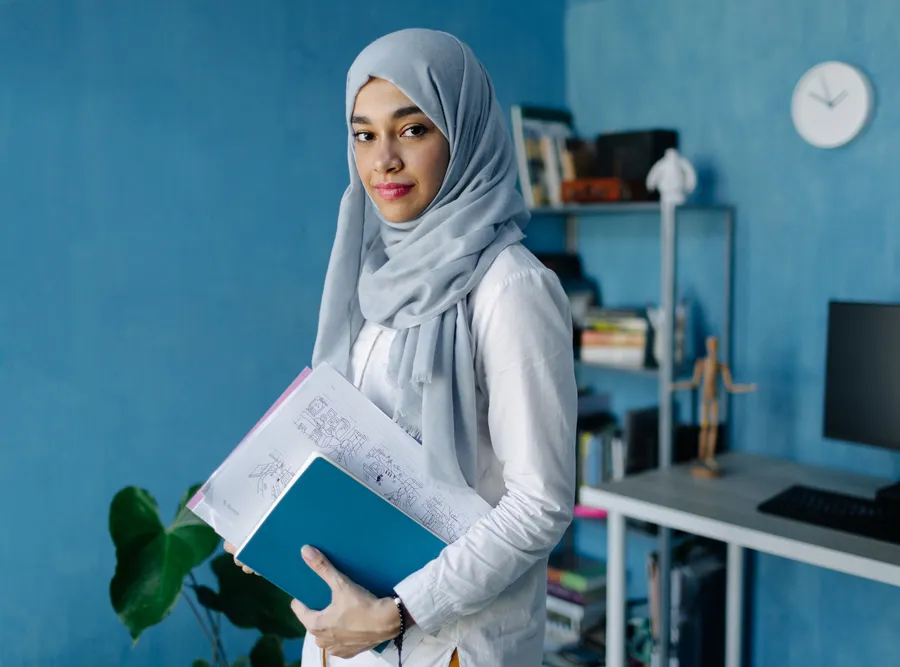





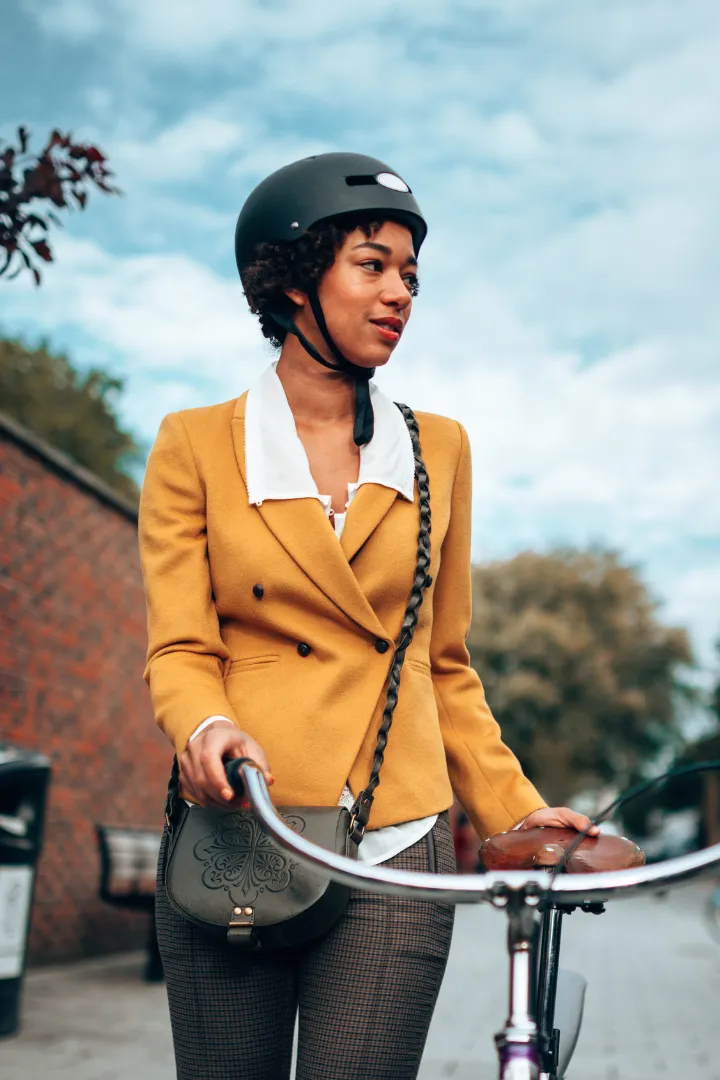


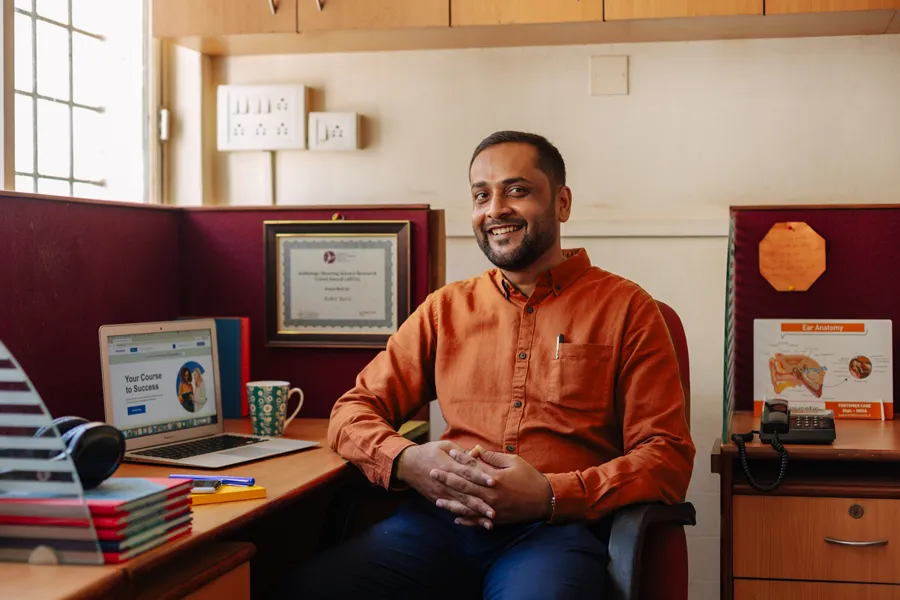
I also defined six image families, so the team knew what the library needed to cover: product features, patterns & details, learning, working, portraits and outcomes. Building around those families cut down the time spent searching for and reviewing images.


PLANNING
Casting for the whole community
I partnered with our Director of Brand to secure the budget.
Then the three of us, with our Brand Manager, planned the mix: which regions, which learning products, and which stories would represent our whole community. We cast learners across three groups: individual learners, employees learning through Coursera for Business, and learners from our social impact programs.
We shortlisted learners by life stage (students 18 to 22, young professionals 23 to 30, and mid-career professionals 31 to 50) and across products, from free Coursera for Campus and Coursera for Refugees to degrees and Professional Certificates. Once the first picks were in, we looked at who was still missing and went back for more: older learners, more body diversity, learners with disabilities, and more of Asia-Pacific.
Our creative brief set the goal: a photo library that represents Coursera's global community and works at the highest-profile moments across marketing and product, from the homepage and campaigns to conferences, paid ads, and internal decks.

The brief came down to one idea: make learners the heroes of their own stories.
THE SHOOTS
Directing shoots on four continents, remotely
We couldn't travel, so the briefs, the scouting, and live feedback on shoot day had to do the directing.
CASTING
Real stories, not just looks
We found learners three ways: directly, through the companies using Coursera for Business, and through our social impact partners. Each outreach asked for a photo, where they lived, and how learning had changed their life, so we could cast for real stories, not just looks. Before every shoot, someone from our team got on a call with the learner to hear their story in their own words: what they learned, why it mattered, and who and what made up their everyday life. Those notes shaped each brief.
THE BRIEF
One brief per learner
I turned the guidelines and each learner's story into a brief for their photographer: who they are and what they learned, the locations, the shot list, wardrobe, props and brand colors to bring in, hair and makeup, and reference images for the mood we were after. Every shoot followed the same core shot list:
Devices
Learning on a laptop, tablet, and phone.
Settings
Learning at home, on the go, and at work.
Confidence
At home, alone and with family, and at work, alone and with coworkers.
Outcomes
A moment like being at work or holding a certificate.
Product moments
Watching a lecture, working on a quiz, or joining a discussion.
THE SCOUT
Real places over clean interiors
Each local team scouted locations before shoot day, and we gave feedback on them. We pushed for places with real local personality over clean, modern interiors that could be anywhere. If an Airbnb was offered as the learner's home, we said no, because we wanted their real story. A call sheet then mapped the day across the places that mattered to that learner. In Ghana, that meant Paulina's home in the morning and her community health project in the afternoon.
LOCAL CREWS
Hiring local
We worked with photographers and stylists who lived where our learners did, so every shoot had someone who knew the place and the culture, not a crew flown in from somewhere else.
FILE SPECS
Built for review and retouching
Photographers shot RAW in Adobe RGB and sent low-res proofs within 24 hours, so we could review one shoot while the next one was still being planned.
REMOTE DIRECTION
Directing over WhatsApp
We couldn't travel, so we directed every shoot remotely through a WhatsApp group with each local team. On shoot day, our photography lead and I were both on call. The team sent test shots as they went, and we gave direction in real time. She focused on the technical side, and I focused on the visual direction and the story.
COVID
Improvising around closed offices
The pandemic changed what "work" looked like for most of our learners. Offices were closed, so the working-life half of their stories couldn't be shot the way we'd planned. We improvised on the day. For example, I asked teams to shoot learners in work attire at their home desks and show them learning in more casual clothing in communal spaces around their house. One location could show both learning and remote work effectively if we were clever with wardrobe, sets and props.


Pages from a photographer brief.
POST-PRODUCTION
People who look like themselves
Together we narrowed down selects and directed retouching.
We kept people looking like themselves on a normal day, with natural skin, natural light, and real settings, while making sure every image felt like it belonged to the new brand.


USAGE
Real people, not stock
Because these were real learners, we didn't treat their photos like stock.
We set clear usage rules so their images always stayed true to their stories. Everyone in the photos signed a release, including the family members, friends, and coworkers who joined in. A learner was never used to promote a course they hadn't taken, and whenever possible we featured them with their name, location, and what they learned. Every learner also got professional headshots to use on their own profiles.
STOCK
A stock library that follows the same rules
Thirteen learners couldn't cover everything the brand needed, so in December I led a second project: a curated stock library that followed the same guidelines.
I set targets for each image family (100 learning, 100 work, 75 portraits, 75 outcomes, 40 videos, 40 patterns and details, 15 visual metaphors, and 15 product shots) and gave each designer an area to own: regions like Latin America, the Middle East, and India and Asia; business lines like Campus and Government; and representation across age, ability, body size, gender, and orientation. I pointed the team to collections built for better representation, from Project ShowUs and Disrupting Age to work by women and non-binary photographers.
Even the stock brief tied back to the brand: portraits got bonus points if they could be cut out and placed inside our "C." After two weeks of sourcing, our photography lead, my design partner, and I narrowed the selects, our Director of Brand approved them, and we bought them and set them up as a searchable library.


The result
The face of the company at its biggest moments
We delivered the core library from 8 countries (Ghana, Germany, Brazil, Mexico, India, the US, Indonesia, and the Philippines) on December 15, just in time for the brand launch.
The shoots that lockdowns had delayed, including Lebanon, came in early the next year. The images became evergreen brand assets, used on the website and in social posts long after launch, and they appeared in Coursera's IPO materials and the brand launch video. Our real learners became the face of the company at two of its biggest moments.
The library
Thirteen learners, nine countries
One idea: make them the heroes of their own stories.
Paulina, Ghana


Ehab, Germany


Wafa, Indonesia


Rayan, Brazil


Hillary, Philippines


Barath, India


Jessica, Mexico


Rohit, India


Karen, US


Derek, US


Mo, Lebanon


Rami, Lebanon


Lochan, India


What I had to work with
A pandemic
We were photographing real people in multiple countries during COVID, so every shoot needed small crews and PPE, and we kept backup learners ready. Lockdowns still pushed some shoots back, and the last ones came in after launch, in early 2021.
A launch deadline
From kickoff to final library was about ten weeks, with shoots running in rolling batches through November.
Remote everything
We were directing shoots on four continents without being in the room. The briefs set the direction, scout reviews caught problems before shoot day, and live feedback on test shots over WhatsApp kept each day on track.
What I learned
Guidelines are only as good as the photos that follow them
Writing the rules and then directing the shoots myself meant the guidelines got tested on real sets right away. Where something didn’t hold up in real life, I knew.
The brief is the direction
When you can’t be on set, the shot list, wardrobe notes, and story behind each image are what keep everything consistent.
Representation takes planning
Getting the mix right across regions, ages, and stories happened in the spreadsheet long before anyone picked up a camera.
Real stories come with responsibility
When you photograph real people, you’re borrowing their story. Usage guidelines aren’t a formality. They’re how you keep the trust that made the photos worth taking.
